_

Showing posts with label high school. Show all posts

Tuesday, July 15, 2025

Art 1 Pacing Guide

 If you're a high school art teacher looking for help organizing your curriculum, this is my Art 1 pacing guide. It has a bulleted agenda of what I teach each day with visuals when possible. My school is on a 90 day semester block schedule. We meet 78 minutes per day - your mileage may vary.


This link will allow you to make a copy (for free) into your own google drive where you can edit it to fit your needs. Clicking the links within the document will take you to the individual listing on TpT if you want more details or images to help you visualize the lesson. Enjoy!

Sunday, June 1, 2025

Toy Story Gets A Glow Up

One of my favorite two point perspective lessons for my upper elementary students was inspired by the movie Toy Story. This year, I finally did not have any of my previous students who completed this lesson in a high school class and was able to move that lesson up to Art 1. 


If you've been following this account for awhile you already know  I've been mixing up my two point perspective lessons over the past 4-5 years trying to find something that resonated. We did perspective rooms, streets and houses. We've done them in pencil, watercolor and acrylic. Nothing was hitting the way that Toy Story lesson always seemed to with the younger kids, so I thought "why not?" The great news is that 14-18 year olds are still inspired by Toy Story. We are a 1:1 ipad school and my students are lucky enough to have the procreate app. 

The basic format of my perspective unit still remained the same. Starting with 1 point boxes, comparing 1 and 2 point perspective. Introducing angles like bird's eye and worm's eye. One of the fun ideas I added to this recycled lesson was showing short 3-5 minute clips from the movie and freezing the screen. This allowed students to identify the horizon line, vanishing points and angles.

I had a collection of toys in the room with a set up for them to photograph for reference and they were welcome to bring their own in as well. All students experienced a high level of success with this lesson and were eager to work on it. I find with paper pencil, students get so discouraged having to erase the lines over and over again, ruining their paper. This felt like the perfect time to go digital.

If you'd like to "just press play" on this video heavy resource you can find it here.

If you're an elementary teacher who'd like to see the original post use this link.


Sunday, May 18, 2025

Seasonal Grid Drawings

Semester 2 proved to be a little more challenging for the new square paper / no measure grid drawings. In the fall we used leaves, which were readily available for both students and myself. I brainstormed other items that might provide a similar range of challenge and came up with a few. If you're looking for more grid drawings, I have now added:

Food (lemons, peppers, red onions)


White Eggs (on neutral backgrounds, in cartons and on plastic easter grass)


Pool (Billiard) Balls 


Here is the fun set up in my home when I realized I could borrow the balls from a neighbor but did not have my own table. Thankful my daughter has sweatshirts in EVERY color

What objects have your students enjoyed drawing using the grid method?


Monday, December 2, 2024

Square is where it's at for grid drawing

I've been a HUGE fan of grid drawing my entire career. Starting with my elementary kids I would introduce the concept of using grids to my students often with preprinted grids on cartoon characters as an early finisher activity. 


As students mature in their skills we transfer the responsibility of grid making to them. And you know who doesn't love a grid project? Every student who struggles with reading a ruler. Sure, there are workarounds. I can print the grid on it for them, they could work on gridded paper or worksheets. They can use a light box to trace a pre-drawn grid, we can place a grid on top digitally. When drawing isn't the main skill, like this printmaking lesson that is a great accommodation.


Most of those techniques require a lot of extra preparation from the teacher. They also take away what students need to use this technique again on their own: the ability to execute a grid, consistently on the reference photo and their own paper. Let's face it, if they can't make a good grid, it's not a helpful tool. In this case, the grid becomes a barrier to success.


This year I started using a NO MEASURE grid method. If students can draw a straight line from corner to corner, they don't need to measure a thing. The only limitation to this method are that you must either use a square or make sure the reference photo and the final paper are the same proportion. Both of these steps require no extra effort, time or resources from the teacher.  We tested this new format with a colored pencil leaf drawing. After seeing the boost in confidence for all of my students I decided to create some additional lessons that are ready to go for a sub at a moment's notice. You can find the whole bundle here.


In this resource I include a step by step video demo of not just how to set up the grid, but how to see implied lines in a photo to convert a photo into a line drawing. This is an important step to teach. Not all students can visualize what you are asking them to do. We start with a basic star shape to help them see the lines where there are none.


If you'd like to check out this method, you can download a FREE sample here

Sunday, September 22, 2024

Art History Bell Ringers

I've been using bell ringers as a soft landing / transitional time since seeing the impact it made with my cooperating teacher during my student teaching at a 6-8 middle school building. Even with 40 minute classes, there was value to giving students time to make a mental shift from their other classes to art. 


x


While she focused primarily on 3-5 minute sketches and doodles, I have been modifying my own use of this time to best fit the needs of my students. My current (and favorite) use of this time at the high school level is to sneak in bite sized chunks of art history.

I select an image that pairs with what we are doing in the classroom. We follow an inquiry-based model where students are given a series of daily question / prompts to get them connecting to and thinking about the art and artist. After 2-3 days of looking, I have them sketch the work and on the last day I give them the relevant details (title, artist name, date and fun facts).

This video highlights the way that I pair images and questions with projects we are doing in class.

If you are just getting started, you could recycle the same 5 questions each week with new artworks like this:

Day 1: What do you think this work is about? 

Day 2: How do you think this was made?

Day 3: What questions do you have about this work?

Day 4: Describe the work using the elements and principals of art

Day 5: Copy down information about the artwork (Title, Artist, Date, Size, Media, Country)


Teacher tip: I post these on google slides and make a new copy of the document every year. I "cover" the slides we have not gotten to yet and change the text from white to black each morning to reveal the new prompt.

I have several variations and themes for bell ringers here if you need help building your own. This is the original post created during our hybrid schedule in 2021.


Saturday, September 21, 2024

Teaching Abstract Art With Paul Klee

When it comes to introducing children to the world of abstract art, I find Paul Klee is one of the most captivating and approachable artists. His playful style lends itself to a variety of engaging art projects that are scalable for different age groups and abilities. Here are some of my top reasons to start with Klee when teaching abstract art

1. Imagination and Playfulness

Klee’s work is infused with a sense of play and imagination that resonates with children. His use of bold colors and shapes invites viewers to interpret the artwork in their own way, encouraging creativity and personal expression. When teaching kids about Klee, I like to emphasize the importance of imagination in art, prompting students to push their boundaries and create their own abstract pieces.


2. Accessible Techniques

Klee often employed simple shapes and lines in his compositions. This accessibility makes it easier for children to replicate his techniques in their own artwork. Whether it’s through drawing geometric shapes or experimenting with color mixing, kids can engage directly with Klee’s methods, fostering a sense of accomplishment and confidence in their artistic abilities.

3. Exploration of Color and Emotion

Klee was a master of color, using it not just to please the eye but to evoke emotion. He believed that colors could express feelings, which is a powerful concept for children to explore. Educators can guide students in understanding how different colors affect mood and perception, encouraging them to choose colors that resonate with their own feelings in their creations.


4. Cultural and Historical Context

Teaching about Paul Klee also opens the door to discussions about the historical context of art. As a part of the Bauhaus movement and influenced by various styles, Klee’s work can serve as a springboard for conversations about modern art, the evolution of artistic expression, and the connections between art and culture. This contextual understanding can enrich students’ appreciation of art beyond just aesthetics.

5. Diverse Subject Matter

Klee’s subjects ranged from playful to profound, often reflecting themes of nature, music, and childhood. His ability to blend reality with abstraction allows children to explore various topics, from storytelling through art to interpreting the world around them. This versatility can inspire students to create pieces that reflect their own experiences and interests.


6. Encouraging Individual Interpretation

One of the most exciting aspects of abstract art is its inherent ambiguity. Klee’s works invite multiple interpretations, teaching children that art doesn’t have to depict reality in a literal way. This can encourage critical thinking and discussion among students, as they learn to articulate their thoughts about what they see and how it makes them feel.


Saturday, April 13, 2024

Earth Day Resources for Art Teachers

In the colorful world of art education, every stroke of paint and every sculpted form carries not just the weight of artistic expression, but also a commitment to environmental stewardship. While Earth Day may serve as a poignant reminder of our collective responsibility to protect the planet, art teachers embody earth consciousness every single day, weaving sustainability into the fabric of their classrooms.


In this post, several of my favorite art teachers share their best practices and classroom-tested lessons as we we explore the benefits of recycling in the art room. From repurposing materials and fostering creativity to instilling a sense of environmental responsibility in their students, these educators exemplify a dedication to preserving the Earth that extends far beyond a once-a-year celebration.

COST-EFFECTIVE SOLUTIONS

Art supplies can be expensive, especially for schools with limited budgets. Recycling offers a cost-effective alternative by utilizing materials that are readily available at little to no cost. From cardboard and newspaper to plastic bottles and bottle caps, the possibilities are endless. By creatively repurposing these materials, educators can stretch their budgets further and ensure that all students have access to the materials they need to unleash their artistic potential. Amie from Glitter Meets Glue is ready to share how she incorporates this in her classroom.

"My absolute favorite way to get the best bang for your buck in the art room is to implement a yearlong artist trading cards project. They’re miniature art projects the size of a playing card. And they cost nothing to create!
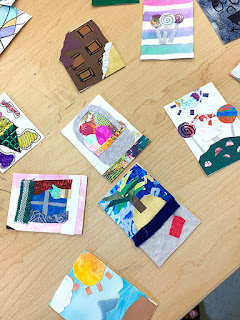
After every art project, collect the “good scraps,” as I call them, in a garbage bag. Think: leftover painted papers, bits of construction paper, gift wrapping paper, feathers, beads, felt, fabric, etc. Basically, any project remnants you considered tossing or don’t have enough to use for even one class, toss in the bag. 

After I’ve collected a big bag of random materials, I fill large bowls with the scraps for students to create artist trading cards. They cut, glue, color, and paint unique artworks that they can trade later on in the year with friends. On the last day of school, I do an all-day ATC exchange. The kids love it and it’s always such a huge hit at a very chaotic time of the year!"

If you’re interested in getting started on artist trading cards, check out her complete teacher guide, lesson plan, worksheets, and PowerPoint slides. She'll walk you through the entire process.

RESOURCEFULNESS AND CREATIVITY

Limitations often fuel creativity, and recycling presents the perfect opportunity for students to think outside the box. By repurposing materials that would otherwise end up in landfills, students are challenged to find new uses and innovative ways to incorporate them into their artwork. This encourages resourcefulness and cultivates a mindset of creative problem-solving—a valuable skill both inside and outside the art classroom. Whitney from Look Between the Lines has some impressive 3D inspiration for us:

"My favorite Earth Day project is my found object assemblage project. This is a great way to bring sculpture into other art classes or focus on a found object-style sculpture in your sculpture classes. This can be introduced on Earth Day, with a focus on what materials can be reused and turned into a work of art. My favorite found object artists are Tara Donovan and John Dahlsen, I use them as artist exemplars to inspire my students before they start their project. Students are responsible for collecting their materials. While waiting for materials to come in they prep wood panels, where they attach their materials, brainstorm and research ideas, and sketch out designs. Experimentation and thinking ahead are key to creating a successful work of art. I also recommend having an in-progress and final critique with students as they work on their assemblages. 
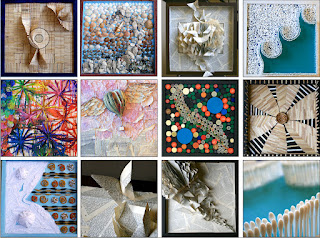

This project can be taught to students as young as 5th grade, I recommend working on one piece as a class project. For middle schoolers, I encourage small groups of students to work together. In high school, students can pair up or work individually."

Read more detailed information about Whitney's Earth Day assemblage project here or hit the easy button and get the lesson pack with everything you need to teach the project (minus the supplies) here. 


EMPOWERING STUDENTS THROUGH OWNERSHIP

"Embracing recycled materials as art supplies in an elementary classroom is not only cost-effective but also instills a sense of environmental responsibility in young students. Sorting bins for various reusable items such as cardboard, scrap fabric, colored paper, string, and containers transforms waste into a treasure trove of creative potential. This approach encourages children to see the value in everyday items, fostering a culture of sustainability and innovation. For instance, cardboard pieces can become the canvas for a collage, string and fabric scraps can be woven into a textured tapestry, and old containers can be transformed into whimsical sculptures. Such activities nurture creativity, as students learn to work with what's available, adapting their artistic visions to the materials at hand. This method is particularly beneficial for schools with limited budgets, offering endless possibilities for artistic expression.
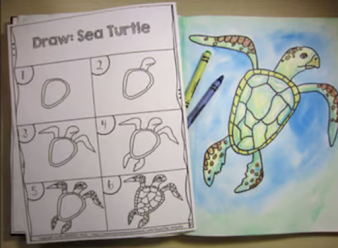
Directed drawing activities, like the Earth Day Themed Directed Drawings, provide a structured yet flexible framework for art projects. These guided exercises can be adapted to whatever materials are on hand, allowing students to choose from a variety of mediums or work with specific ones based on current supplies. This not only enhances their drawing skills but also teaches them to be resourceful and imaginative, key qualities in both art and life. "

If this sounds like the perfect activity for you, visit her website to plan quickly and teach confidently.

BUILDING CONNECTIONS

Recycling in the art classroom provides an opportunity to forge connections with the broader community. Partnering with local businesses, recycling centers, and environmental organizations can enrich students' learning experiences and expand their understanding of sustainability initiatives in their community. Many times art teachers are the recipients of large scale donations of random materials from community partners. Next, Sabrina from A Space to Create Art shares an example of how to use donated boxes or containers to creating meaningful artworks.

"In this assemblage piece, high school and middle school art students learn about artist Joseph Cornell and create a mixed-media sculpture inside a mint tin. Their art is based on a famous novel’s quote or theme. By marrying visual art and literature, they delve into the nuances of storytelling, exploring themes, characters, and settings in a tangible and tactile form.

Joseph Cornell was known for his pioneering work in assemblage art. Cornell's distinctive style transformed found objects into captivating compositions housed in shadow boxes and glass-fronted cases. His pieces often evoked a sense of nostalgia and wonder, blending elements of surrealism and collage to create dreamlike worlds.

As students breathe life into their sculptures, they embark on a personal and introspective journey. Each sculpture becomes a testament to the power of imagination and the transformative nature of art. Below is an example created by a student based on the novel The Great Gatsby by F. Scott Fitzgerald."
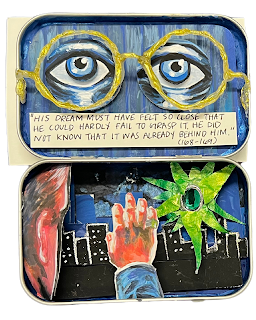
You can find this lesson ready to teach at A Space to Create Art on TpT or on her website: www.aspacetocreateart.com

FOSTERING ENVIRONMENTAL CONSCIOUSNESS

Exposure to Earth-friendly art-making approaches can encourage our young artists to think in a globally conscious, macro beneficial way. By being environmentally-thrifty and eco-aware in our art teaching, we potentially seed future creative solutions in our artists, while providing them with some ‘food for thought’ regarding their own use of the earth’s limited resources.”


In her blog post here, Stephanie shares a few practical tips for earth-friendly (and budget- conscious!) art materials, equipment and supplies. Check out her TPT store here here.

CONCLUSION

Integrating recycled materials and sustainable practices into your art room offers a multitude of benefits that extend far beyond the school day. Changing a few habits or lessons each year can have a monumental impact over the course of your career.  Need help getting started? My previous post on Earth Day lessons has several project ideas you can incorporate easily.  By embracing recycling as an important part of the artistic process, educators have the power to inspire future generations to create positive change—one masterpiece at a time.


ART TEACHER-AUTHORS THAT CONTRIBUTED TO THIS ARTICLE:

Stephanie from Picassa’s Palette
Amie from Glitter Meets Glue
Whitney from Look Between the Lines
Kathleen from Ms. Artastic

Saturday, January 27, 2024

Love is in the air


One of the largest differences between teaching elementary and high school is the dominance of seasonal art at the elementary level. I frequently hear the kids complain that we don't do anything "special" at this level for holidays. This year I may try slipping in some seasonal-ish work with my older students and see how it's received. It would be interesting to simply include some love themed works with my samples but not necessarily pitch them as "valentine" projects and see if the kids run with it. When I look through my curriculum there are already many assignments that could fit the bill. 

First up we have the composite shape lesson. This is a budget friendly lesson that can be completed with ball point pen on any type of paper. I normally give my students free reign to use idioms, oxymorons and metaphors to create a visual pun. With a little tweaking, the shapes or puns could be love themed. Here are two examples:

"Sweetheart"


"Change of Heart"


This next lesson is already a favorite because it checks so many boxes. Color theory, paintbrush practice and control. Symbolism. Abstraction. Students normally pick a lyric from a song. Simple enough to change it to be a love song.


This lesson was done with my 5th grade students and is a great one for middle school. Another low budget option. This was an old dictionary that was sitting on my shelf for ages. Students illustrate a quote on top. A great intro to design concepts, symbolism, calligraphy and/or typography.


And of course the pop art word sculpture, which is always a crowd pleaser with my art 1 students. What if they redesigned the Robert Indiana Sculpture instead?


What would you add to the list? Could you see your students having an interest in holiday / seasonal themed work?


Sunday, January 7, 2024

Linocut


One of the most challenging concepts for teaching printmaking to students is getting them to understand what prints and what does not. In the past I've done some activities with notan design and positive negative space drawings. What I found is they still were unclear on what to carve and what to leave alone.

This year I made a sample plate with 4 examples of the same shape and printed it in front of the students and passed it around. It was very helpful and during the cutting processes multiple students asked to see the sample plate to confirm their choices.


We talked about how their sketch (usually a line drawing) would be the hardest thing to carve because there is so little material that stays raised up.


They seemed to grasp the concept a bit better. Our theme was nature. They could choose a plant or animal and were encouraged to switch ink and paper colors. I had one student finish early and do a variation on a reduction print by recarving more material out and printing a second color.


If you need some help with your printmaking lesson, this includes 10+ minutes of narrated demonstration. Drop your questions in the comments and I'd be happy to help.


Tuesday, July 12, 2022

Mask Making

Art 2 Plaster Masks
Students are allowed but not required to use forms to create their masks. They must cut or add onto the basic form (not just paint). I'm thinking about bringing this project back for my crafts class.